
More Than Just Metal
To truly understand the challenge coins meaning, you have to look past the modern corporate tokens and dig into the trenches of history. Today, these custom medallions are traded by CEOs, first responders, and even Hollywood film crews. But their roots are deeply embedded in military tradition and battlefield brotherhood.
For decades, a heavy, meticulously crafted piece of metal (handed over in a secret handshake or slammed down on a bar) has served as a silent communicator of respect, shared sacrifice, and elite belonging. It is a tradition forged in fire and defined by those who carry them. But how did we get here? How did a simple piece of stamped metal become one of the most revered, unspoken symbols of camaraderie in the world?
To answer that, you have to look at the trailblazers. In this article, we are exploring the legendary origins of this tradition by looking at ten of the most famous challenge coins ever minted.
Here is a quick look at the legendary coins we will cover:
- The WWI Pilot’s Medallion: The original lifesaver.
- 17th Infantry Regiment: The first documented modern coin.
- Special Forces “De Oppresso Liber”: The mark of covert brotherhood.
- Apollo 11 Robbins Medals: The tradition reaches space.
- Presidential Coins: The ultimate Washington honor.
- 9/11 Pentagon Coin: A solemn symbol of resilience.
- The Avengers Cast Coins: Hollywood’s ultimate crossover.
- B-52 Bulldog Coin: The Holy Grail of aviation.
- SEAL Team Six “Neptune Spear”: The pinnacle of elite operations.
- CIA “Russia House”: Excellence in espionage.
1. The WWI Pilot’s Lifesaver (The Ultimate Legend)
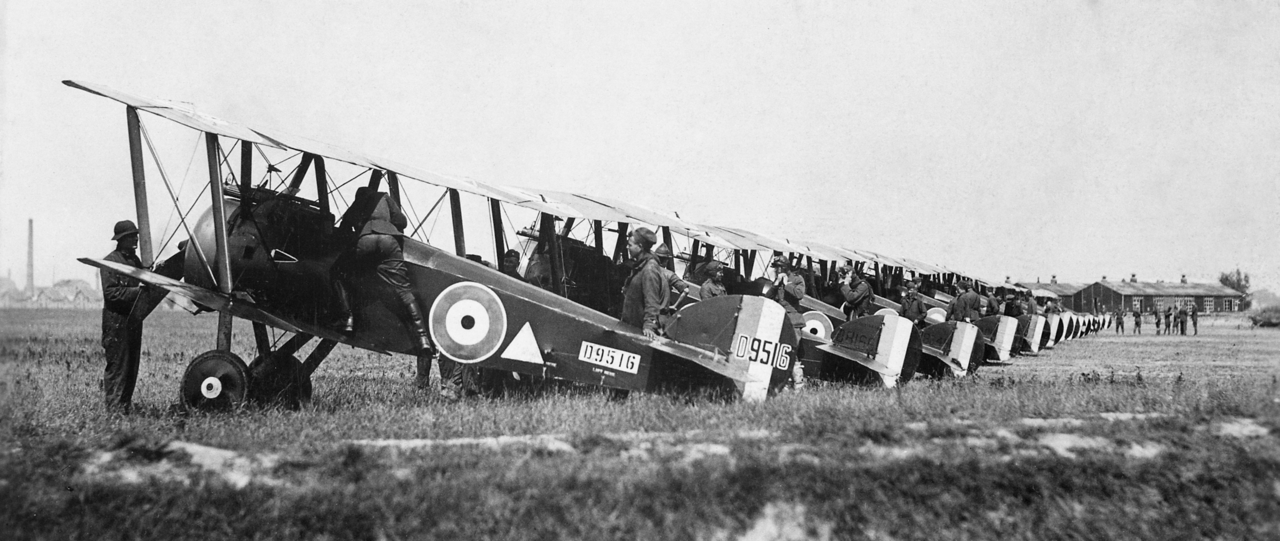
Every great military tradition needs an origin story. For the challenge coin, that story starts in the perilous skies of World War I. While historians often debate the exact details, this legend is widely considered the foundational myth that defines the true meaning behind these medallions.
As the story goes, a wealthy American lieutenant volunteered to fly in a newly formed flying squadron. To build camaraderie among his men, he commissioned solid bronze medallions. Struck near what is now the industry benchmark of 1.75 inches, these heavy tokens were stamped with the squadron’s insignia. He kept his own coin in a small leather pouch worn around his neck.
During a mission, his aircraft was severely damaged by ground fire, forcing him to land behind enemy lines. He was immediately captured by a German patrol. The soldiers stripped him of all personal identification but they overlooked the small leather pouch. The pilot eventually managed to escape, donning civilian clothes to avoid detection, and navigated his way to a French outpost.
Because he lacked official identification and spoke with a foreign accent, the French soldiers assumed he was a German saboteur. They prepared to execute him on the spot. In a desperate final effort to prove his allegiance, the young pilot pulled out his bronze medallion. By sheer luck, one of the French captors recognized the American squadron insignia. His execution was delayed long enough to confirm his identity.
Instead of facing a firing squad, the pilot was handed a bottle of wine. When he finally returned to his unit, it became a strict tradition for every member to carry their medallion at all times. To enforce this, members would “challenge” each other to produce their coin. If you could not show your coin, you bought the next round of drinks. This simple act of survival birthed the rules of the coin check and transformed a piece of bronze into a literal lifesaver.
2. Colonel “Buffalo Bill” Quinn and the 17th Infantry
While the World War I pilot story remains a powerful legend, military historians often point to the Korean War for the first officially documented use of modern challenge coins. Between 1950 and 1952, Colonel William “Buffalo Bill” Quinn commanded the 17th Infantry Regiment. He was looking for a distinct way to boost morale and solidify a shared identity among his troops during a particularly brutal conflict.
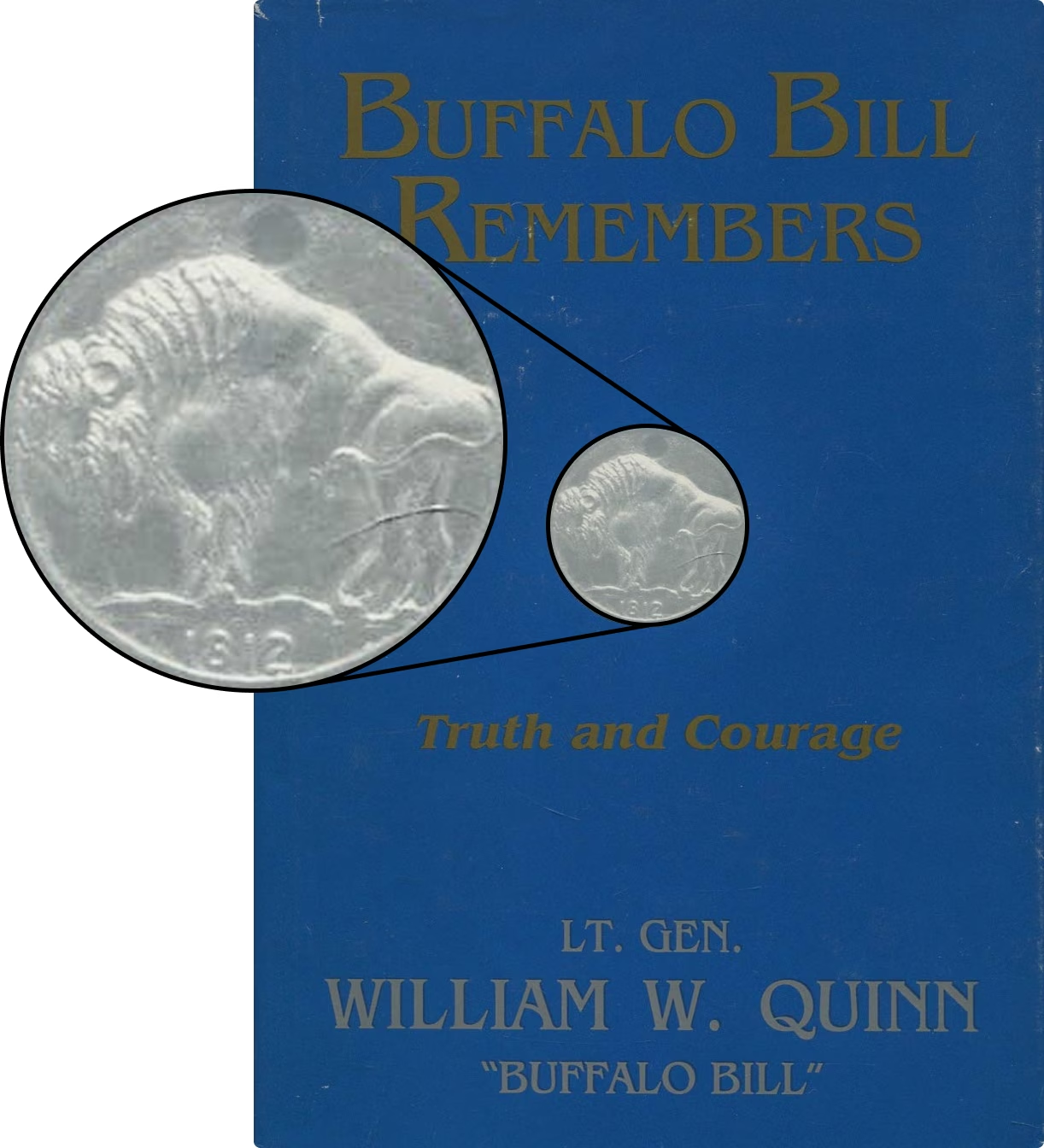
Quinn decided to commission custom coins for his men. These early pieces featured a buffalo on one side and the regiment’s crossed rifles insignia on the reverse. A small hole was drilled near the top edge of the coin so the men could string them on a chain and wear them around their necks. This ensured the coin remained with the soldier at all times, even in the chaos of combat.
This initiative marked a massive shift in challenge coin history. It moved the tradition from unverified battlefield lore into a tangible, historically recorded practice. Colonel Quinn proved that these coins were not just novelty souvenirs. They were powerful tools for military leadership, deliberately designed to forge an unbreakable bond among soldiers facing the harsh realities of war.
3. The Special Forces “De Oppresso Liber” Coins
During the Vietnam War, the challenge coin tradition took a clandestine turn. Special operations groups, such as the 10th and 11th Special Forces, were conducting highly classified missions deep in hostile territory. Because their operations were strictly off the books, leadership could not publicly commend these soldiers or award them standard military medals.
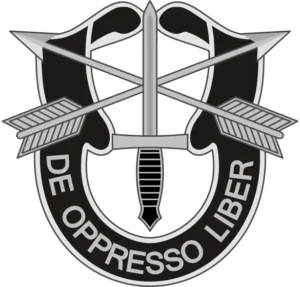
To solve this problem, unit commanders needed a quiet way to recognize the exceptional bravery of their men. They initially began stamping regular currency with unit symbols. Eventually, this evolved into minting custom medallions. One of the most famous early designs featured the Special Forces motto, De Oppresso Liber, which translates to “To Free the Oppressed.”
These coins were handed out discreetly. For these elite operators, possessing one of these medallions was the ultimate mark of respect from their peers. It proved their involvement in operations that the public would never know about. This era firmly established the challenge coin as a hallmark of covert brotherhood, adding an element of elite secrecy that still surrounds the tradition today.
4. The Apollo 11 Lunar Landing Coins
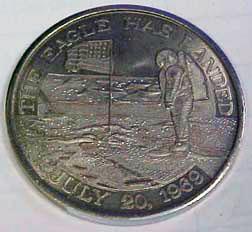
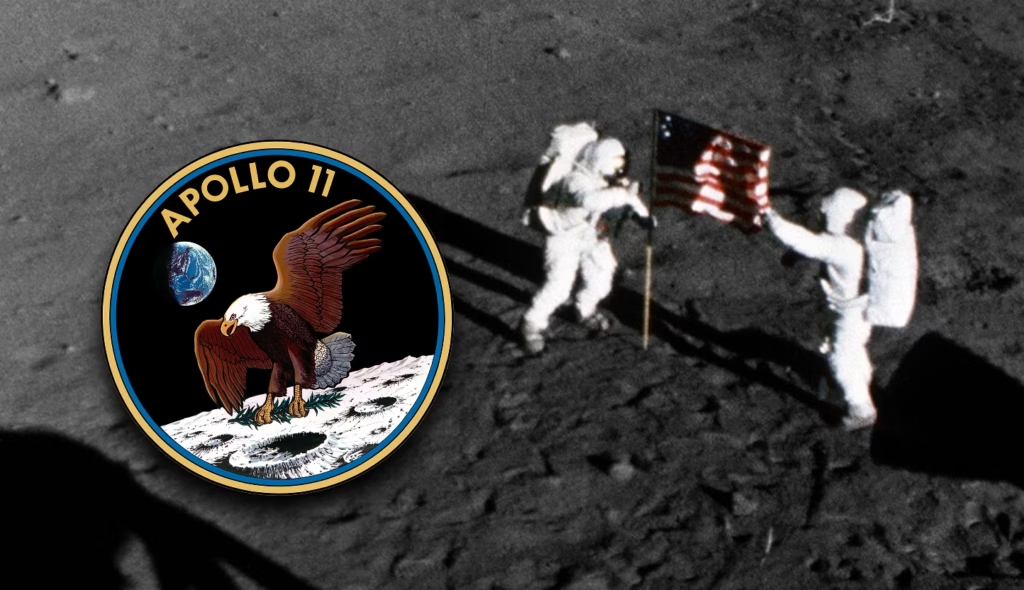
When NASA prepared to put men on the moon in 1969, the challenge coin tradition took a massive leap forward. Astronauts Neil Armstrong, Buzz Aldrin, and Michael Collins carried special commemorative medallions, known historically as Robbins Medals, with them on the Apollo 11 mission.
These silver medallions featured the iconic eagle landing on the lunar surface. Because they actually flew in space, these specific coins became incredibly valuable and deeply historic. This moment proved that challenge coins had officially transcended their strict military origins to become a broader symbol of exceptional human achievement and groundbreaking teamwork.
5. The Presidential Coin Tradition

In the 1990s, the tradition reached the highest office in the United States. While several modern presidents have embraced the practice, Bill Clinton is widely credited with bringing massive visibility to the presidential challenge coin. He famously amassed a huge collection of coins gifted to him by various military units, diplomats, and visiting dignitaries.
Later, George W. Bush issued a specific Commander in Chief coin to honor troops deployed during the Global War on Terrorism. Today, receiving a coin directly from the President of the United States via a subtle, secret handshake is considered one of the highest unofficial honors in Washington. It is a quiet gesture that carries immense weight.
6. The 9/11 Pentagon Coin
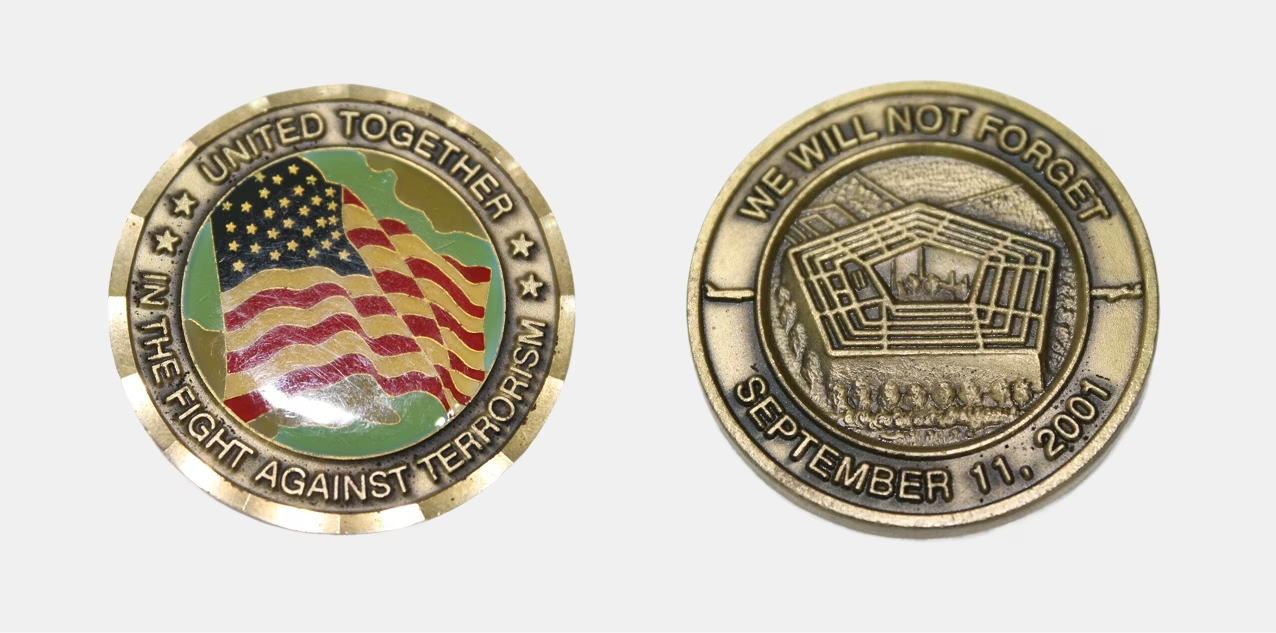
Challenge coins are not only for celebrating victories. They are also meant to commemorate profound resilience and honor those lost in tragedies. Following the September 11 attacks, a highly specific coin was issued for the Pentagon.
It was dedicated to the victims, survivors, and first responders involved in the tragedy at that specific site. This shifted the narrative once again. It showed the world that these coins serve as solemn historical artifacts. They are designed to ensure that ultimate sacrifices are permanently recorded in metal and never forgotten by the men and women who carry them.
7. The Hollywood Crossover: “The Avengers” Cast Coins
To see how far the culture has spread, you only have to look at modern Hollywood. During the filming of the Marvel Cinematic Universe movies, actor Robert Downey Jr. commissioned and distributed highly detailed, exclusive challenge coins to the cast and crew of The Avengers.
This civilian crossover highlights how the core values of the military tradition resonate everywhere. Recognizing hard work, celebrating milestones, and building a unified team are universal goals. Whether you are in a combat zone, a corporate boardroom, or on a movie set, the desire to build a strong culture remains exactly the same.
8. The B-52 Bulldog Coin (Air Force)
When looking for the true “holy grail” of military challenge coins, collectors and historians often point directly to the B-52 Bulldog coin. This specific medallion was minted exclusively for enlisted B-52 tail gunners in the United States Air Force.
The tail gunner was an incredibly isolated and dangerous position, requiring a unique breed of airman who sat completely separated from the rest of the crew in the rear of the massive bomber. The Bulldog coin was designed to recognize that specific grit and specialized brotherhood.
What makes this coin so legendary today is its absolute finality. In 1991, the Air Force officially deactivated the tail gunner position on all B-52 bombers, making the role entirely obsolete. Because the position no longer exists, the Bulldog coins ceased production. The few that remain in circulation are tightly held as family heirlooms, making them some of the most coveted and historically significant pieces of aviation history in existence.
9. SEAL Team Six “DEVGRU” and the Neptune Spear Coin (Navy)
Within the silent community of the U.S. Navy SEALs, a challenge coin from the Naval Special Warfare Development Group (DEVGRU), better known as SEAL Team Six, is the pinnacle of exclusivity. These are not sold in any base exchange. They are earned through some of the most rigorous training and dangerous missions in military history.
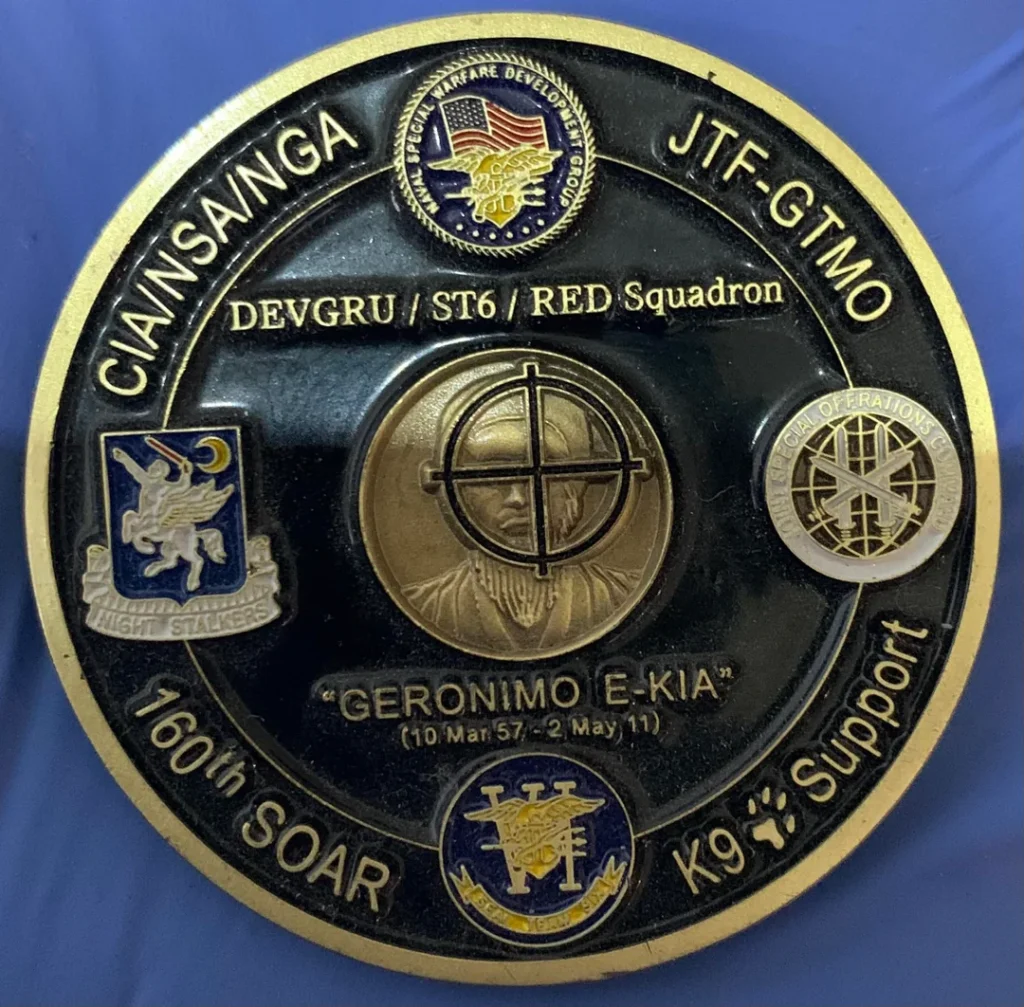
But one specific DEVGRU-related coin stands above the rest in terms of historical weight: the Operation Neptune Spear challenge coin. This coin commemorates the 2011 raid that successfully eliminated Osama bin Laden. While there are several commemorative versions in existence today, the most famous single artifact is the one currently sitting in the 9/11 Memorial Museum in New York.
It was donated by a CIA operative known only by her alias, “Maya” (whose intelligence work inspired the film Zero Dark Thirty). The coin features the date of the mission and a red “X.” This is a direct nod to the list kept by President George W. Bush, who would cross out the names of key terrorist operatives as they were captured or killed. This specific coin bridges the gap between the elite operators who execute the mission and the silent intelligence community that guides them.
10. The CIA “Russia House” Coin (Intelligence)
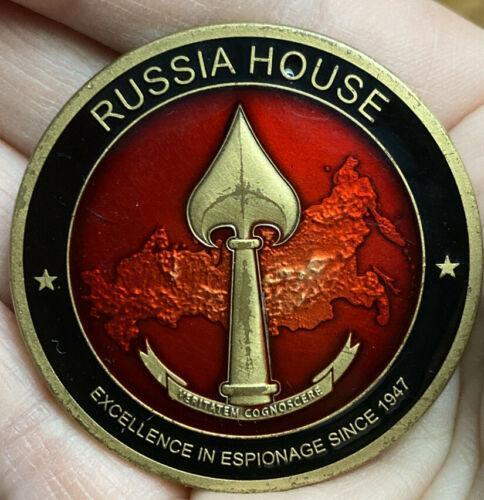
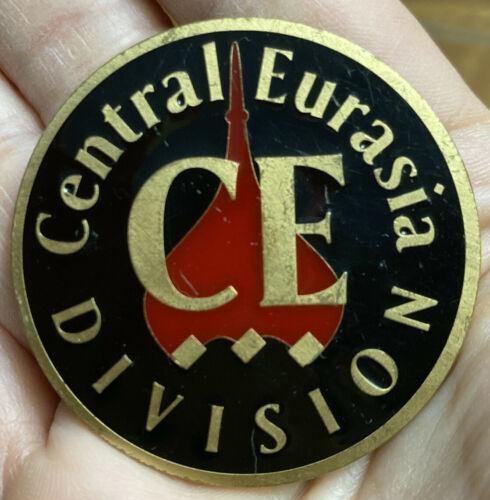
The challenge coin tradition eventually proved too powerful to stay contained strictly within the
uniformed military. Over time, it quietly bled into the clandestine world of global espionage. While the Central Intelligence Agency and its predecessor, the OSS, have a long history of utilizing coins as secret “bona fides” to identify friendly contacts during operations, modern intelligence challenge coins serve a different purpose.
Among the most secretive and coveted of these is the “Russia House” coin. Historically, the Russia House was the unofficial nickname for the CIA’s Central Eurasia Division, which handled operations targeting the Soviet Union during the height of the Cold War. Minted specifically for operatives working on some of the most sensitive intelligence missions in history, these coins represent a silent nod to those who operate completely in the shadows.
Because the intelligence community fundamentally relies on secrecy, you will rarely see a Russia House coin displayed publicly on a desk or mounted in a shadow box. They are handed out in secure briefing rooms and kept completely out of sight. Possessing one of these rare medallions means you belonged to a highly classified fraternity of intelligence officers.
Conclusion: Minting Your Own History
From a bronze token in the trenches of World War I to a silver medallion resting on the surface of the moon, challenge coins carry a heavy legacy. They are not just collectibles. They are physical reminders of where a team has been, the sacrifices they have made, and the incredible things they have accomplished together.
The stories of the 17th Infantry or the Apollo 11 crew show us that every great coin is anchored by the people who carry it. If your unit, agency, or business is looking to forge its own unbreakable bonds, it might just be time to mint a custom challenge coin that lives up to the legends.


